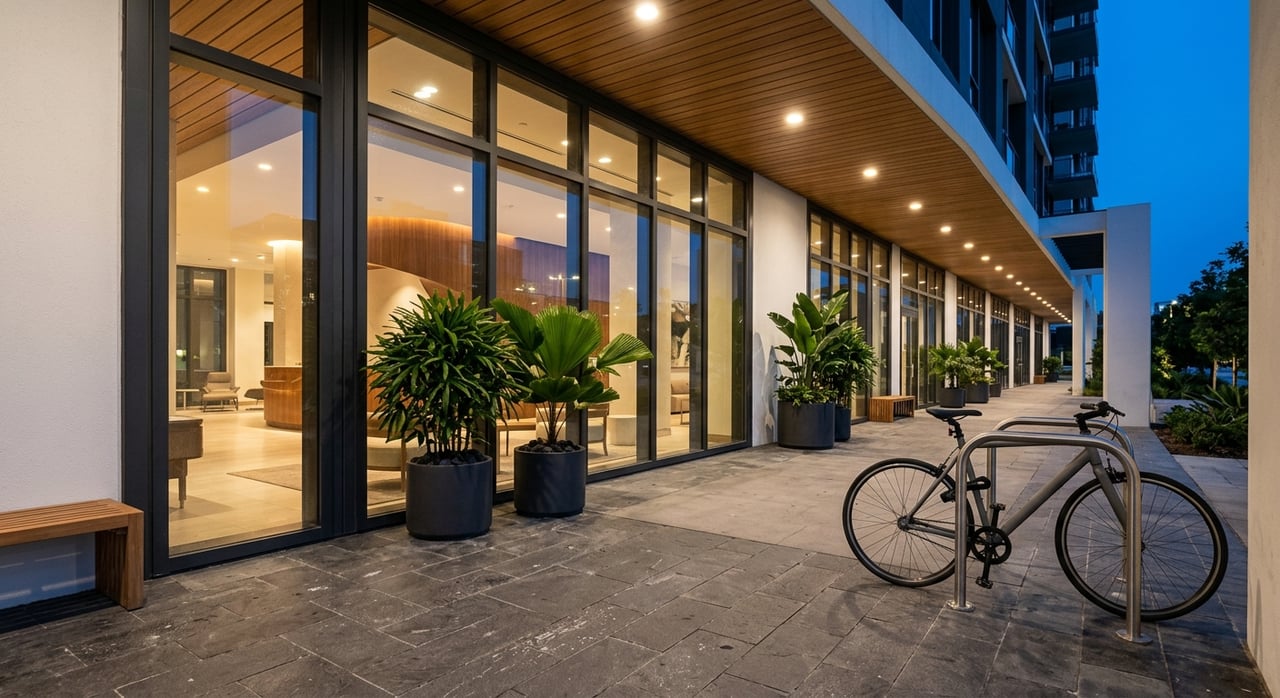
Living Car-Light In Kakaako’s Walkable Urban Core
Blog July 16, 2026
Blog July 16, 2026
If you want an urban Honolulu lifestyle with less time behind the wheel, Kakaʻako deserves a close look. For many buyers, the goal is not giving up a car completely. It is making daily life easier, more flexible, and more connected to what you actually enjoy. In Kakaʻako, that idea is supported by the way the neighborhood was planned and how people use it today. Let’s dive in.
Kakaʻako stands out because it was shaped as a pedestrian-oriented urban district, not just a collection of residential towers. The Hawaiʻi Community Development Authority describes the area as a vibrant, pedestrian-oriented community, and the Makai plan centers public access, waterfront enjoyment, and close connections between living, working, and recreation.
That matters if you are choosing a home based on daily convenience. In practical terms, Kakaʻako places many everyday needs within a compact urban core. You can often walk to groceries, coffee, dining, parks, and basic services instead of building your routine around driving.
Kakaʻako sits in a central part of urban Honolulu, between Downtown, Makiki, Waikīkī, and Honolulu Harbor. That location helps support a car-light routine because you are not isolated from the rest of town. Even when you do need to leave the neighborhood, you are starting from a well-connected location.
This central positioning also adds to the neighborhood’s appeal for buyers who want a mix of lifestyle and practicality. If your day includes work, errands, exercise, and time outdoors, Kakaʻako makes it easier to string those pieces together with less back-and-forth travel.
A car-light lifestyle only works if daily essentials are truly nearby. In Kakaʻako, that is one of the strongest parts of the story. The neighborhood has a concentrated mix of grocery options, dining, wellness spaces, and services that support a walkable routine.
Instead of driving across town for every small task, you may be able to keep much of your week local. That can save time, lower stress, and make the neighborhood feel more livable on an everyday basis.
Kakaʻako offers several practical options for groceries and quick errands. Ward Village lists Whole Foods Market and Straub Medical Center at Ward Village Clinic & Urgent Care, while Our Kakaʻako lists Down to Earth Kakaako and H Mart Kakaako.
That mix is important because walkability is about more than restaurants and scenery. It is about whether you can pick up groceries, handle a basic health need, and move through daily life without always reaching for your keys.
The neighborhood also supports a strong local routine around coffee, casual meetings, and meals out. Current businesses listed across Our Kakaʻako and Ward Village include places such as La Tour Café, Highway Inn, ARVO, CINO, and Island Brew Coffeehouse, along with many other dining spots spread across SALT, Keawe Retail, South Shore Market, and the Ward Village area.
For buyers thinking about lifestyle fit, this density matters. It creates a neighborhood where meeting a friend, grabbing a coffee, or stepping out for dinner can feel easy and spontaneous rather than planned around parking and traffic.
Car-light living often works best when the neighborhood supports more than just errands. Our Kakaʻako offers free WiFi across all nine blocks, which can make remote work or casual work sessions in the area more convenient.
Ward Village also hosts public fitness programming at Victoria Ward Park. In addition, some residential buildings include co-working areas, fitness spaces, and outdoor amenities that can reduce the need to leave the district for parts of your daily routine.
One of Kakaʻako’s biggest advantages is that its walkability is paired with meaningful access to open space. This is not only a dense urban district. It is also a neighborhood with parks, shoreline access, and room for outdoor routines.
That combination can make a major difference in how a place feels over time. If you are walking more and driving less, nearby outdoor space becomes part of your quality of life.
The Hawaiʻi Community Development Authority lists several major parks in and around Kakaʻako. Kakaʻako Waterfront Park spans 34.4 acres, Kakaako Gateway Park covers 6.6 acres, and Kewalo Basin Park includes 5.2 acres. Nearby, Ala Moana Beach Park has 76 acres and Magic Island adds another 30 acres.
These are not minor pockets of green space. They give the neighborhood a wider sense of openness and support regular outdoor habits like walking, relaxing, and spending time near the water.
HCDA planning documents emphasize that substantial portions of the Makai Area are intended for public enjoyment and waterfront access. The plan also highlights about one mile of shoreline dedicated to park use.
That planning vision helps explain why the waterfront feels like part of the neighborhood’s rhythm. In Kakaʻako, the shoreline is not just a view from a distance. It is part of the public realm that can shape your daily routine.
A car-light lifestyle gets stronger when walking links and bike routes are improving. In Kakaʻako, that network continues to evolve in useful ways.
Ward Village states that the Ala Moana Boulevard Elevated Walkway, completed in 2025, improves connections between Ala Moana Beach Park, Kewalo Harbor, Ward Village, and the greater Kakaʻako area. The overpass also gives pedestrians and bicyclists a safer way to cross Ala Moana Boulevard.
For buyers who like flexible transportation, Biki adds another layer of convenience. Biki’s live map shows several stations in the Kakaʻako and Ala Moana area, and its Ala Moana Beach Park route links Kakaʻako Waterfront Park, Ala Moana Beach Park, Ala Wai Promenade, Kapiolani Park, and Diamond Head on mostly off-road paths.
That does not mean every trip will happen by bike. It does mean you have more options for short local trips, exercise, and waterfront rides without needing a car for every outing.
Kakaʻako is walkable, but a smart car-light plan should still include transit. The good news is that bus service is part of the picture.
TheBus Route 6 runs through Auahi and Kamakeʻe and Ala Moana, while Route 122 serves Alapai Transit Center by way of Kakaʻako. In 2025, Honolulu’s Department of Transportation Services also announced route changes meant to improve connectivity between Skyline, TheBus, and key destinations including Kakaʻako, Ala Moana, and Waikīkī.
It is also important to stay grounded in what is available now. HART’s official station information says the final two Skyline stations, Kakaʻako and Ala Moana, will be completed in a separate project phase.
So if you are evaluating the neighborhood today, it is best to think of rail access as a future benefit rather than a current doorstep feature. Kakaʻako already performs well for walkability, but buyers should not overstate present rail convenience.
Not every Kakaʻako home delivers the same car-light lifestyle. Building location, ground-floor retail, and amenity design can all influence how often you choose to walk instead of drive.
This is where a neighborhood-wide idea becomes a property-specific decision. Two buildings may both be in Kakaʻako, but your day-to-day experience can feel quite different depending on what is directly below, nearby, or built into the property.
Ward Village examples show how much the experience can vary. Aeʻo includes Whole Foods Market along with amenities such as a 25-meter fitness pool, lounges, private cabanas, and dining areas. The Park Ward Village includes ground-floor retail, an amenity deck, and direct access to shopping, dining, and entertainment.
Ulana includes co-working spaces, surfboard racks, and a dog park, while Victoria Place and Kōʻula emphasize larger amenity packages and landscaped settings. These details matter because they can reduce the number of trips you need to make outside the neighborhood for work, wellness, or leisure.
The best way to think about Kakaʻako is not as a place where you will never need a car. It is better understood as a neighborhood where daily life can involve less driving.
Planning materials note that traffic along major roads such as Ala Moana Boulevard is most noticeable during peak hours. That reality actually strengthens the case for a flexible car-light routine. If more of your groceries, dining, exercise, and social life happen close to home, you may spend less time dealing with congestion.
For many buyers, that is the real value. Kakaʻako offers an easier everyday pattern, strong public spaces, and one of Honolulu’s most practical urban lifestyles for people who want walkability without giving up access to the rest of town.
If you are considering a condo or other residential property in Kakaʻako, the right fit often comes down to how your building, your block, and your routine align. If you want thoughtful guidance on Kakaʻako and other Honolulu neighborhoods, connect with Drew Read.
Stay up to date on the latest real estate trends.
Blog
Market Report
Blog
Whether you are buying your dream island home, selling a property, or expanding your investment portfolio, Drew provides the integrity, expertise, and personal commitment to guide you through every step of your Hawaii real estate journey.