Everyday Life In Kahala’s Beachside Enclave
Blog July 23, 2026
Blog July 23, 2026
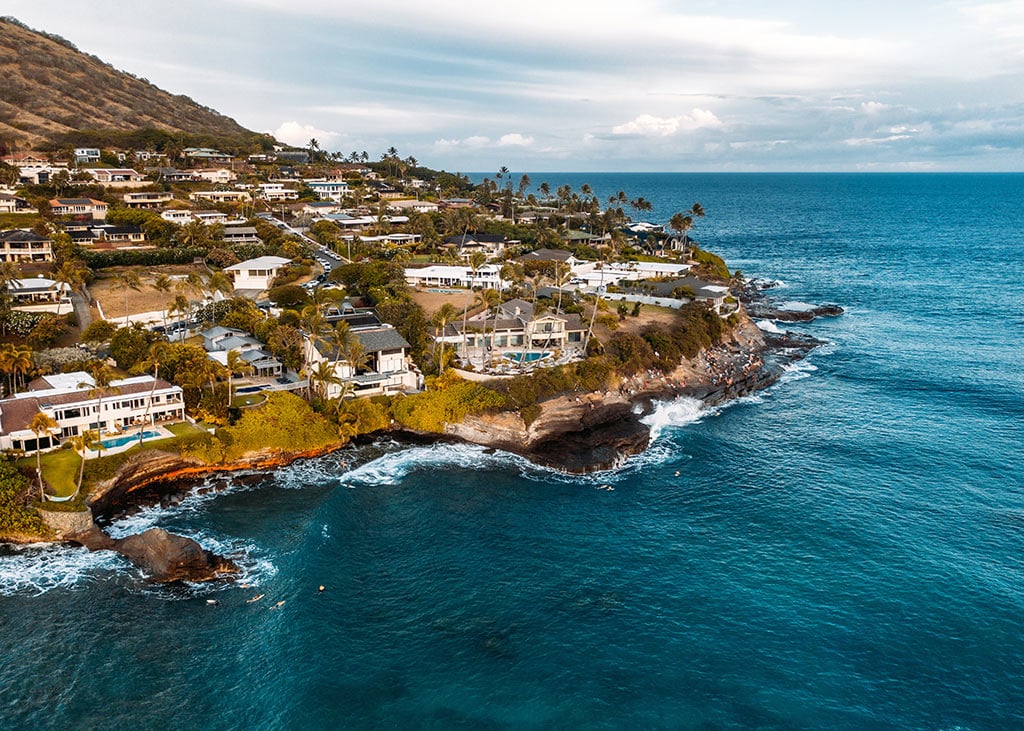
If you are looking for a Honolulu neighborhood that feels calm, coastal, and established, Kahala tends to stand out right away. Everyday life here is less about constant activity and more about a steady rhythm of beach access, residential streets, and practical conveniences close to home. If you want to picture what it actually feels like to live in Kahala, this guide will walk you through the setting, the daily routine, and the housing character that define the area. Let’s dive in.
Kahala is best understood as a residential district first. The City and County of Honolulu’s Primary Urban Center plan describes Waialae-Kahala as a lower-density area that includes single-family and townhouse neighborhoods rather than a mixed-use commercial center.
That planning context shapes the feel on the ground. The same plan notes that older residential streets in the area tend to calm traffic and create a quieter, cooler environment, which helps explain why Kahala often feels more relaxed than busier parts of Honolulu.
One of Kahala’s biggest lifestyle advantages is that beach access is woven into the neighborhood itself. According to the city’s development plan, shoreline access in Kahala is available from Kahala Beach Park, six pedestrian rights-of-way along Kahala Avenue, and a right-of-way from Kaikoo Place.
That matters because it changes how you use the neighborhood. Instead of treating the beach like a special trip, you can picture it as part of the daily pattern, whether that means a morning walk, a quick pause by the water, or an evening outing close to home.
Kahala’s beachside setting supports a lifestyle that feels easy and local. You are not limited to a single access point, and that broad shoreline access helps make the coast feel connected to the neighborhood street grid.
For many buyers, that is a major part of the appeal. It is not just about being near the ocean. It is about living in a place where the shoreline is part of your normal routine.
Kahala’s calm feel is not accidental. It is supported by the neighborhood’s physical layout and by a civic culture that pays attention to quality-of-life issues.
Recent Waiʻalae-Kāhala Neighborhood Board meetings have included discussion of beach conditions, parking, and long-range planning. That suggests an engaged community that stays involved in how the area changes over time.
For you as a buyer or homeowner, this kind of civic attention can shape the living experience in subtle but important ways. It points to a neighborhood where residents are actively thinking about access, use of public space, and the long-term character of the area.
In practical terms, Kahala tends to feel established rather than fast-changing. That can be especially appealing if you value consistency, residential character, and a community-minded atmosphere.
Even in a quiet residential area, convenience matters. In Kahala, Kahala Mall serves as the practical retail hub for many daily needs.
The official mall directory lists Whole Foods Market, Longs Drugs, Macy’s, Ross Dress for Less, an Apple Store, Sephora, CorePower Yoga, and a broad mix of restaurants, services, and specialty retail at 4211 Waialae Avenue. For entertainment, Consolidated Kahala Theatres has been renovated with luxury recliner seating, upgraded projection and sound, and an elevated concessions menu.
This concentration of stores and services helps simplify day-to-day life. Groceries, prescriptions, casual dining, beauty services, fitness, and a movie night can all be handled in one general area.
That convenience is an important part of the Kahala lifestyle. Even though the neighborhood feels quiet and residential, many routine errands can stay close to home.
Another defining feature of the area is Waialae Country Club. The private, non-profit club at 4997 Kahala Avenue opened its course in 1927 and is home to the Sony Open in Hawaii.
Even if you are not focused on golf, the club still shapes the identity of the neighborhood. It is a long-standing landmark, and its presence adds to the area’s established character and sense of place.
The Sony Open also brings occasional tournament activity to the area. That gives Kahala an interesting balance: much of the year it reads as calm and residential, but there are moments when one of Honolulu’s best-known sporting events adds a different layer of visibility and energy.
For some buyers, that mix is part of the appeal. You get a neighborhood that feels grounded and quiet, with a notable local landmark woven into its identity.
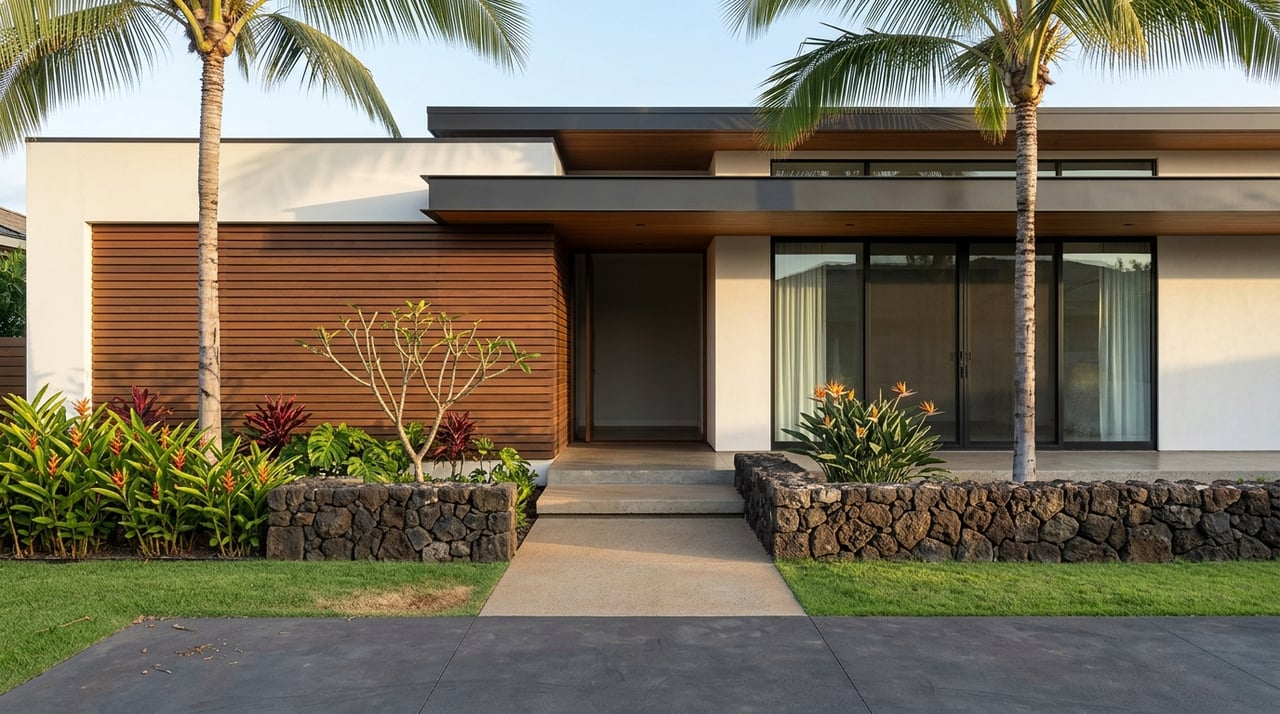
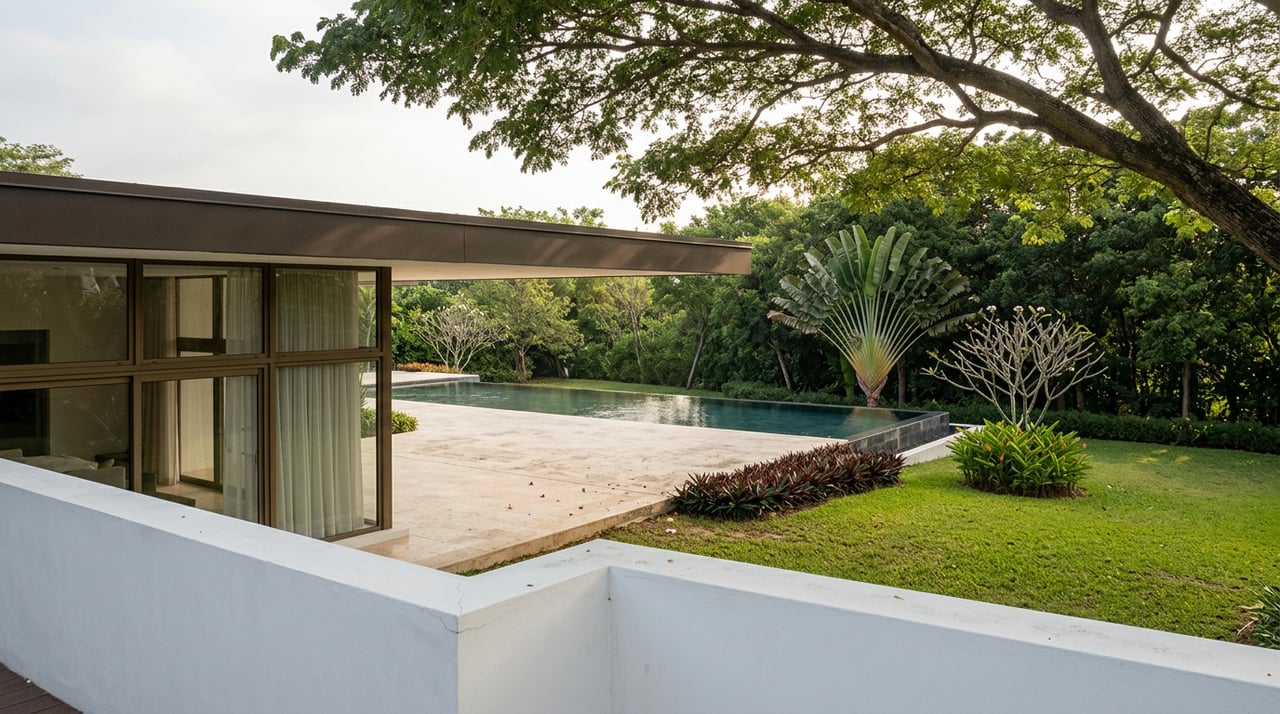
Kahala’s housing stock is one of the clearest expressions of its history. The city’s plan describes Waialae-Kahala as lower-density and notes a pattern of one- and two-story buildings with low lot coverage, landscaped yards, and pitched roofs.
That baseline creates a neighborhood character that feels open and residential. It also helps explain why many streets in Kahala have a strong sense of visual consistency even when the homes themselves vary in style.
Historic properties in Kahala show a broad architectural range. Examples documented by Historic Hawaii include a circa 1930 Hawaiian-style residence at 4382 Kahala Avenue, a 1931 Craftsman residence, a 1935 Tudor Revival house with Craftsman detailing at 4578 Kahala Avenue, and a 1958 ranch-style home designed with an indoor-outdoor connection and views toward Waialae Country Club.
Taken together, those examples show that Kahala is not tied to a single era or design language. Instead, it reads as a layered residential district where prewar regional homes, Craftsman and Tudor influences, and postwar ranch or mid-century forms can coexist.
Kahala tends to appeal to buyers who want a coastal location without giving up day-to-day ease. You have beach access, a quiet residential setting, a well-known golf-club presence, and a practical retail hub nearby.
Just as important, the neighborhood has a sense of maturity. Its planning framework, built form, and active neighborhood discussions all point to an area where the residential experience remains central.
If you are trying to imagine everyday life here, think in simple scenes. Morning beach walks, broad residential streets, errands at Kahala Mall, and homes that reflect decades of architectural evolution all fit into the same picture.
That combination is what makes Kahala distinctive. It is an established coastal neighborhood with practical convenience and a calm, lived-in feel that can be hard to find elsewhere.
If you are considering a move to Kahala or thinking about how this neighborhood fits your goals on Oahu, working with a local advisor who understands lifestyle, design, and market positioning can make the process much clearer. To start the conversation, connect with Drew Read.
Stay up to date on the latest real estate trends.
Blog
Market Report
Blog
Whether you are buying your dream island home, selling a property, or expanding your investment portfolio, Drew provides the integrity, expertise, and personal commitment to guide you through every step of your Hawaii real estate journey.