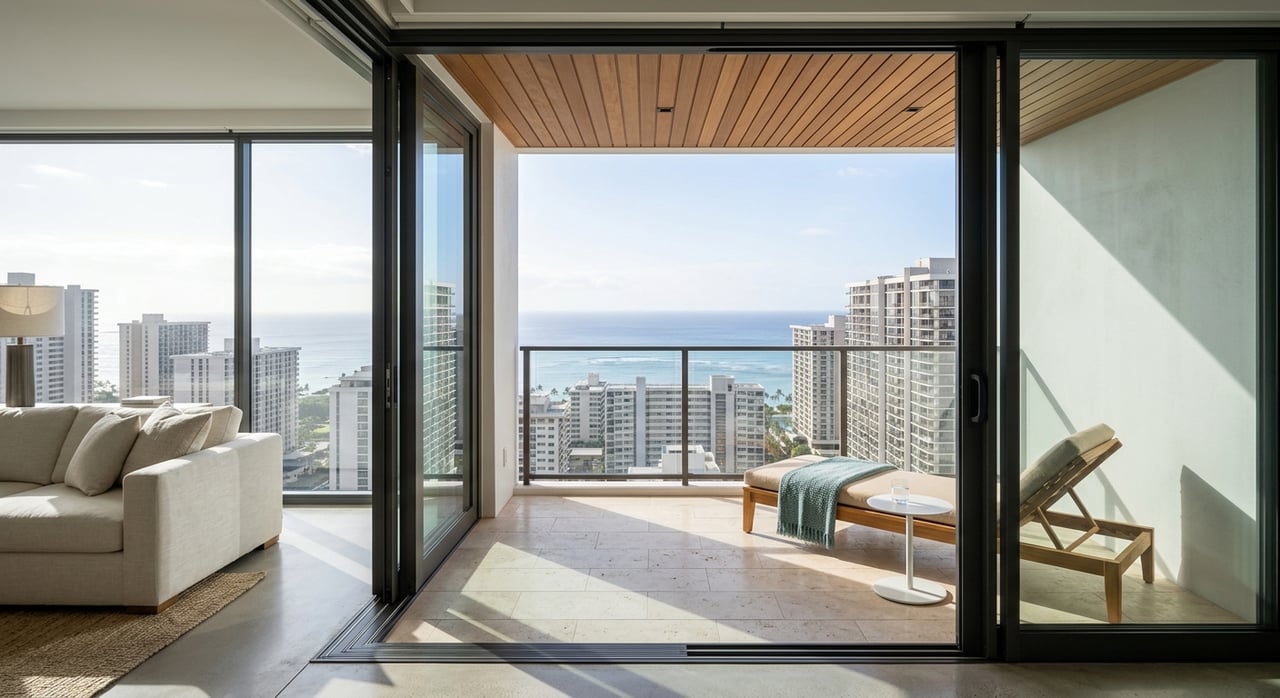
Waikiki Condo Lifestyle Guide for Everyday Ownership
Blog July 2, 2026
Blog July 2, 2026
Ever wonder whether owning a condo in Waikiki feels like a vacation, a city lifestyle, or something in between? The truth is, it can be all three, depending on the building you choose and how you plan to use it. If you are considering a full-time home, second home, or condo with flexible long-term goals, understanding the day-to-day reality matters just as much as admiring the view. Let’s dive in.
Waikiki sits on the south shore of Honolulu and functions as the area’s main hotel and resort district. Kalākaua Avenue is the primary corridor for shopping, dining, entertainment, and resorts, and the neighborhood is visually anchored by Lēʻahi, also known as Diamond Head.
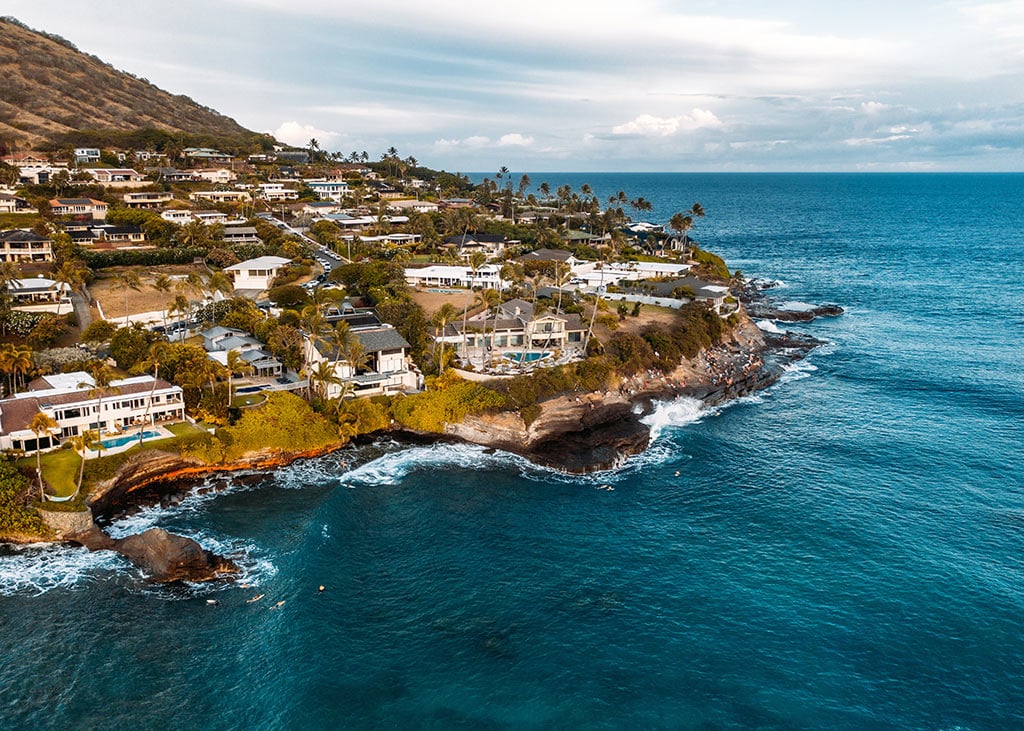
For you as a condo owner, that setting creates a lifestyle that feels distinctly coastal and urban at the same time. You are not tucked into a quiet suburban pattern. You are living in a compact, active part of Honolulu where the beach, restaurants, retail, and evening activity are all part of the daily rhythm.
Waikīkī Beach itself stretches about two miles as a chain of connected beaches. Public shoreline access exists along most of the coastline between Ala Wai Boat Harbor and Diamond Head, and some access points include restrooms, showers, and lifeguards.
That means beach access is often woven into normal life rather than saved for special occasions. A quick morning walk, an ocean swim, or an easy sunset stop can feel much more practical here than in many other parts of Oahu.
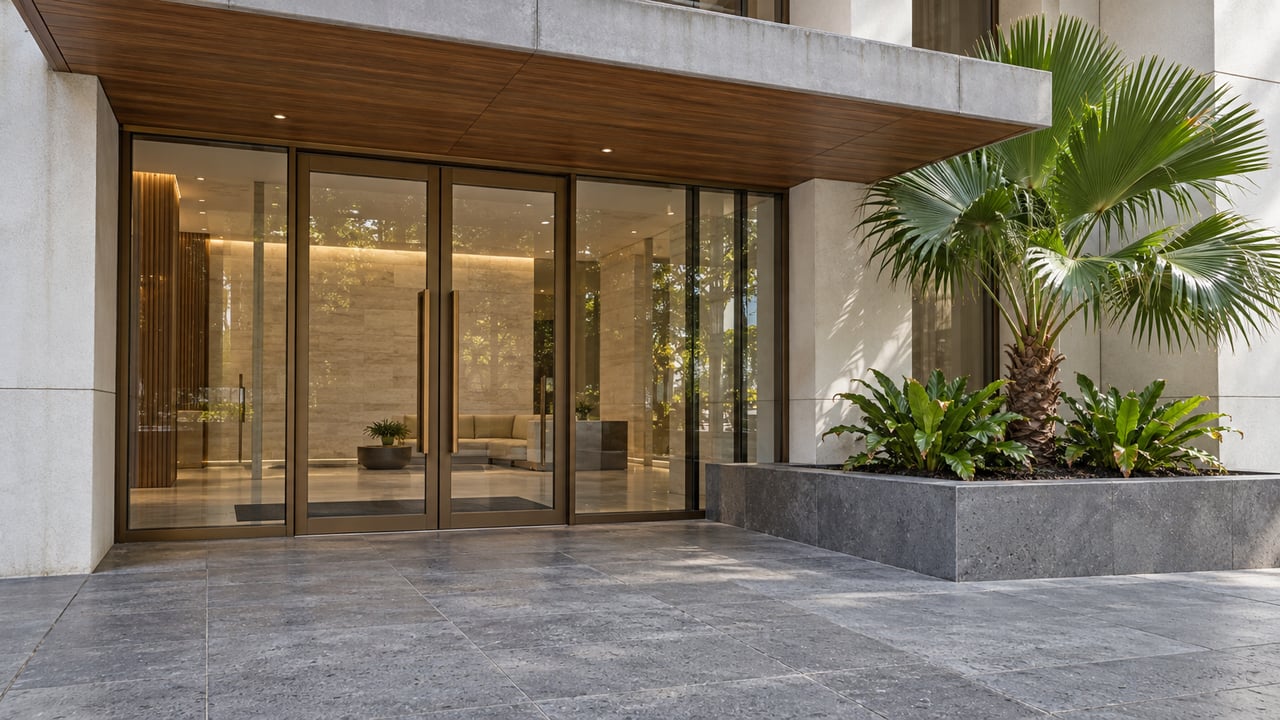
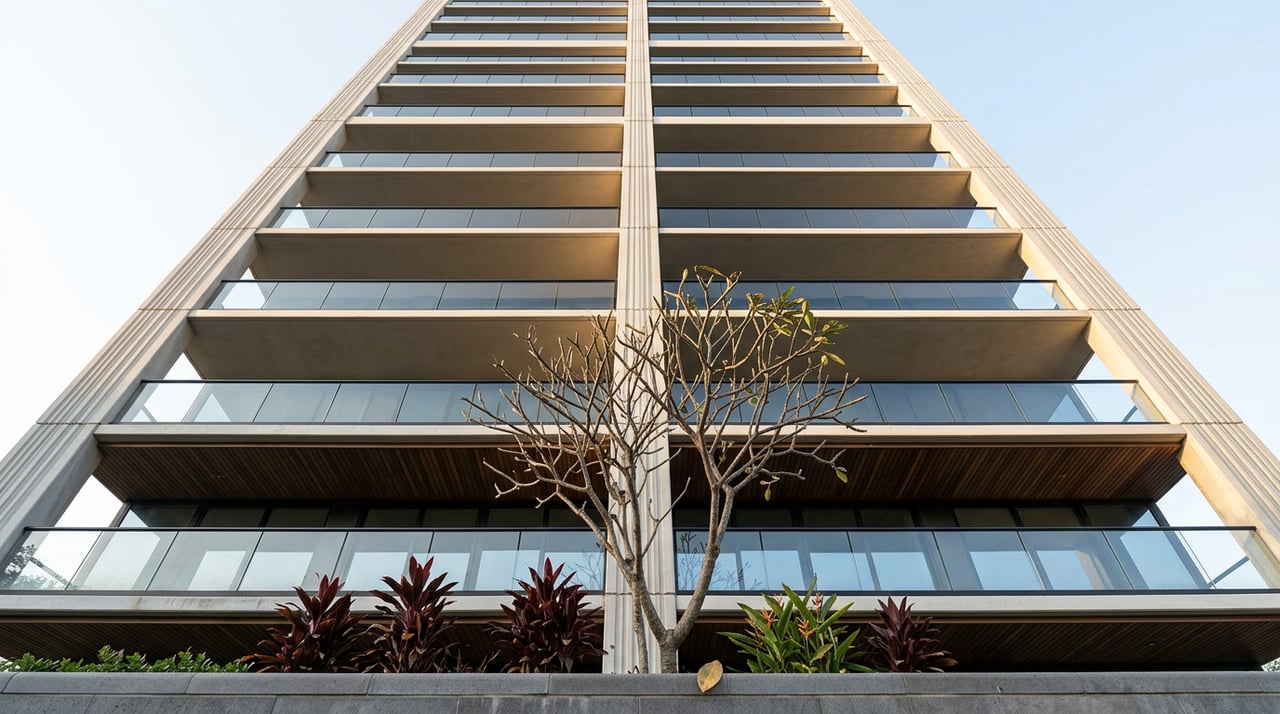
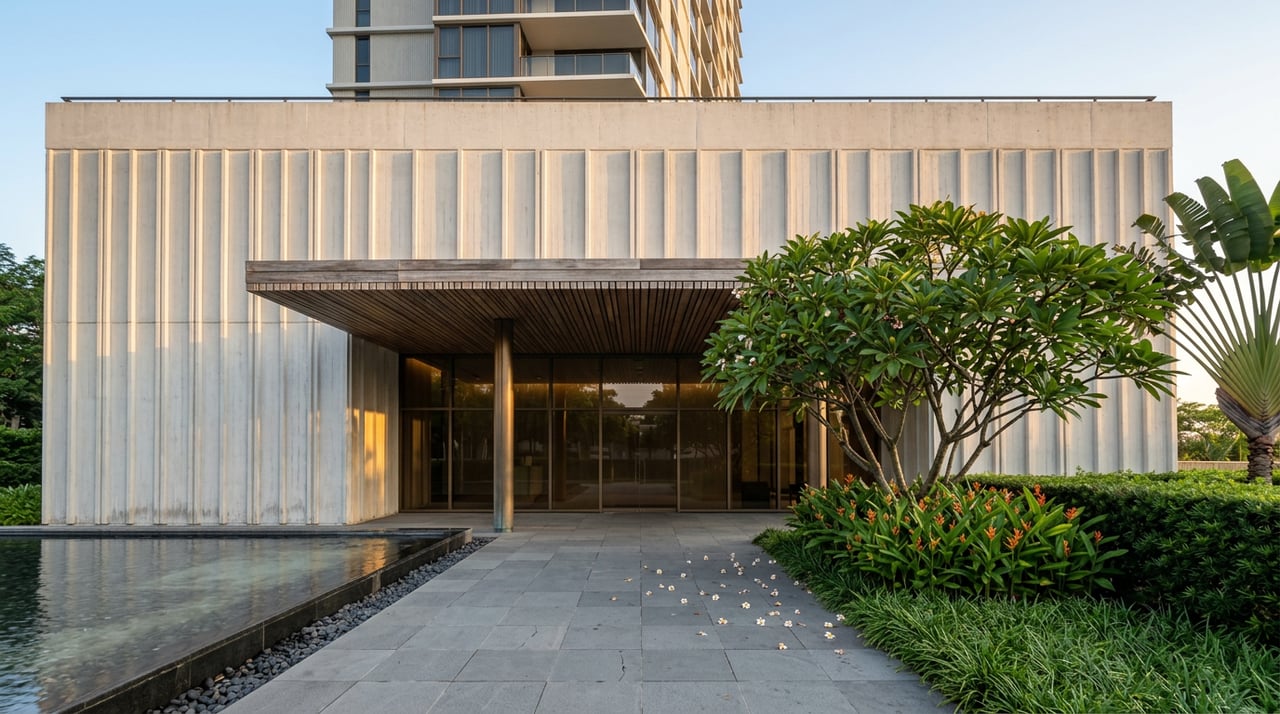
One of the biggest surprises for many buyers is how varied Waikiki condo inventory really is. The area is dense and mixed-use, and its housing stock includes older high-rise towers, lower-rise sections, and newer luxury projects.
That variety matters because two condos only a few blocks apart can offer very different ownership experiences. Building age, layout, amenities, parking, upkeep, and house rules can all shape how comfortable and convenient your day-to-day life feels.
Waikiki is known for a high concentration of mid-century and later high-rise buildings, especially forms that became common from the 1950s through the 1970s. In practical terms, you may be comparing classic towers with established footprints and older systems against more recently developed projects with a different level of finish and amenity design.
Neither is automatically better. What matters is how well the building has been maintained, how the common areas feel, and whether the overall setup fits the lifestyle you want.
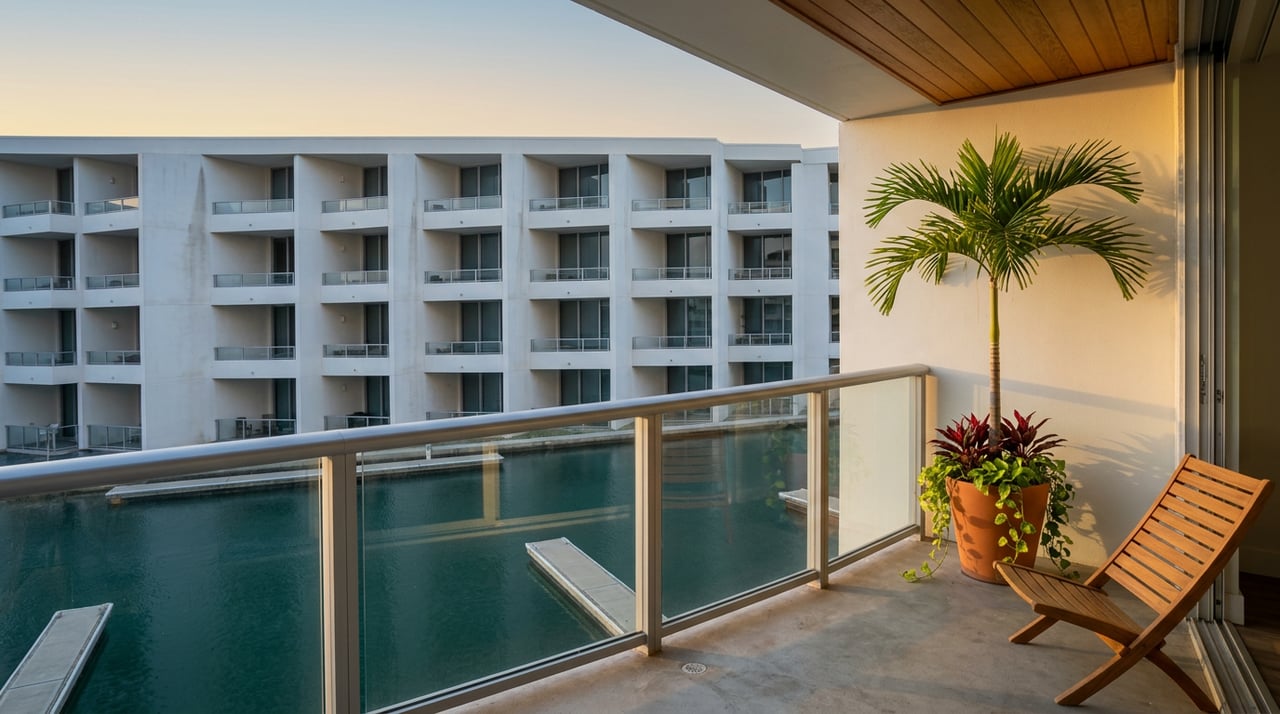
Views are a major part of the Waikiki condo appeal, but they are not one-size-fits-all. Depending on the unit’s orientation, height, and location in the building, your outlook may lean toward the ocean, Diamond Head, the Ala Wai Canal, or a more urban streetscape.
That is why the specific stack and floor are so important. Two units in the same building can offer a very different sense of light, privacy, and daily atmosphere.
In Hawaii, condo ownership is document-driven, and it is important not to make assumptions. A condominium may be structured through a declaration, bylaws, a condominium map, and either a master deed or a lease.
For buyers in Waikiki, one of the first things to confirm is whether a project is fee simple or leasehold. The state’s condo materials make clear that you should verify that directly in the project’s public report rather than assume based on location or price.
When you buy a condo unit, you are also buying a percentage share of the common elements. That shared ownership often includes areas and systems such as lobbies, corridors, parking areas, grounds, walkways, pools, gyms, roofs, and major building systems.
This is one reason condo living can feel simpler in some ways and more structured in others. You may have less direct responsibility for certain exterior and shared maintenance items, but you also become part of an association of unit owners with shared costs and rules.
Waikiki is one of the few places on Oahu where many residents can realistically live with less car dependence. The neighborhood concentrates beach access, shopping, dining, and entertainment in a compact area, and it also has multiple transit boarding points.
TheBus serves Waikiki through stops along Kūhiō Avenue, Ala Moana Boulevard, Kalākaua near Kapiolani Park, Monsarrat Avenue, and Kalākaua near McCully Bridge. Route 8 connects Waikiki and Ala Moana, and Route 42 resumed service along Kalia Road in 2026.
Biking can also be part of daily mobility. Shared-use paths near the Ala Wai Canal and bike lanes along Ala Wai Boulevard and Kalākaua Avenue support short local trips, although biking on Waikiki sidewalks is illegal.
If you prefer a walkable, active lifestyle, this is a real advantage. At the same time, Waikiki still feels busy and urban, not quiet or detached, so the convenience comes with energy, traffic, and visitor activity.
Parking is one of those details that can have an outsized impact on condo ownership in Waikiki. The state condo database shows that project-level details can vary significantly, including parking availability.
For example, Allure Waikiki is listed as fee simple, with 35 floors, 301 total units, and 0 parking spaces. That does not mean every Waikiki building lacks parking, but it is a strong reminder that you should verify parking for any building you are considering.
If you expect to keep a car, this is not a detail to leave for later. Parking access, assigned spaces, and practical convenience can affect your budget and your daily routine more than many buyers expect.
In Waikiki, the monthly fee matters almost as much as the purchase price. Condo owners pay shared or common expenses, and those fees generally increase over time.
The condo association’s board can raise maintenance fees with 30 days’ written notice. Reserve studies are used to anticipate future repair and replacement needs, including roofs, elevators, plumbing, windows, and electrical systems.
For you as a buyer, this means the smartest comparison is not just unit price versus unit price. You also want to understand the building’s financial picture, reserve funding, and the likelihood of future assessments.
Underfunded reserves can lead to larger assessments later. In older Waikiki buildings especially, upcoming capital projects may shape the true cost of ownership.
A lower monthly fee is not always the better deal if it means the building is not keeping up with long-term repair planning. Looking at fees alongside reserve health and building condition gives you a more realistic picture.
Every Waikiki condo has its own governing documents, and they matter more than many buyers realize. The state’s condo guidance points buyers toward the developer’s public report, declaration, bylaws, house rules, and amendments.
Those documents can help clarify permitted uses, restrictions, warranties, and encumbrances. In plain terms, they tell you how the building operates and what kind of ownership experience you are stepping into.
This is especially important if you are buying with a second-home plan, future rental flexibility, or a specific lifestyle in mind. A beautiful unit may not be the right fit if the building’s rules do not match how you want to use it.
Short-term rental rules are one of the most important Waikiki-specific issues to understand before you buy. Honolulu’s current ordinance summary says stays under 90 days are allowed only in selected zoning areas, including Resort zoning districts, the Resort Mixed Use Precinct of the Waikiki Special District, certain Apartment Precinct areas mauka of Kūhiō Avenue, and some legally established grandfathered uses.
Unpermitted short-term rentals in residential zoning districts are prohibited and can be fined up to $10,000 per day. That means you should never assume a Waikiki condo can be rented short term just because it is in Waikiki.
If rental use matters to you, confirm the zoning, precinct, and building rules early. This is one of the clearest examples of why Hawaii condo buying requires careful building-by-building review.
Owning in Waikiki can be incredibly appealing, but it helps to be honest about the trade-offs. You get compact access to the beach, dining, retail, transit, and city energy, but you also live in a visitor-heavy environment that usually does not feel quiet in the core.
Ocean conditions also require attention. Honolulu Emergency Services says conditions change constantly and recommends checking conditions or speaking with a lifeguard, while Honolulu Fire Department guidance emphasizes lifeguard-protected beaches, hydration, sun protection, and caution on wet rocks and steep shoreline areas.
The result is a lifestyle that feels active, beautiful, and convenient, but not passive. Living well in Waikiki often means choosing a building carefully, understanding the rules, and knowing how you want the neighborhood to fit your routine.
If you are serious about buying in Waikiki, the most useful question is not simply, “Do I like Waikiki?” The better question is, “Does this specific building support the way I want to live?”
As you compare options, focus on these key points:
That kind of detailed review is where good condo decisions are made. In a place as varied as Waikiki, the building is a big part of the lifestyle.
If you want clear guidance as you compare Waikiki condos, Drew Read can help you look beyond the photos and focus on the details that shape real ownership.
Stay up to date on the latest real estate trends.
Blog
Market Report
Blog
Whether you are buying your dream island home, selling a property, or expanding your investment portfolio, Drew provides the integrity, expertise, and personal commitment to guide you through every step of your Hawaii real estate journey.