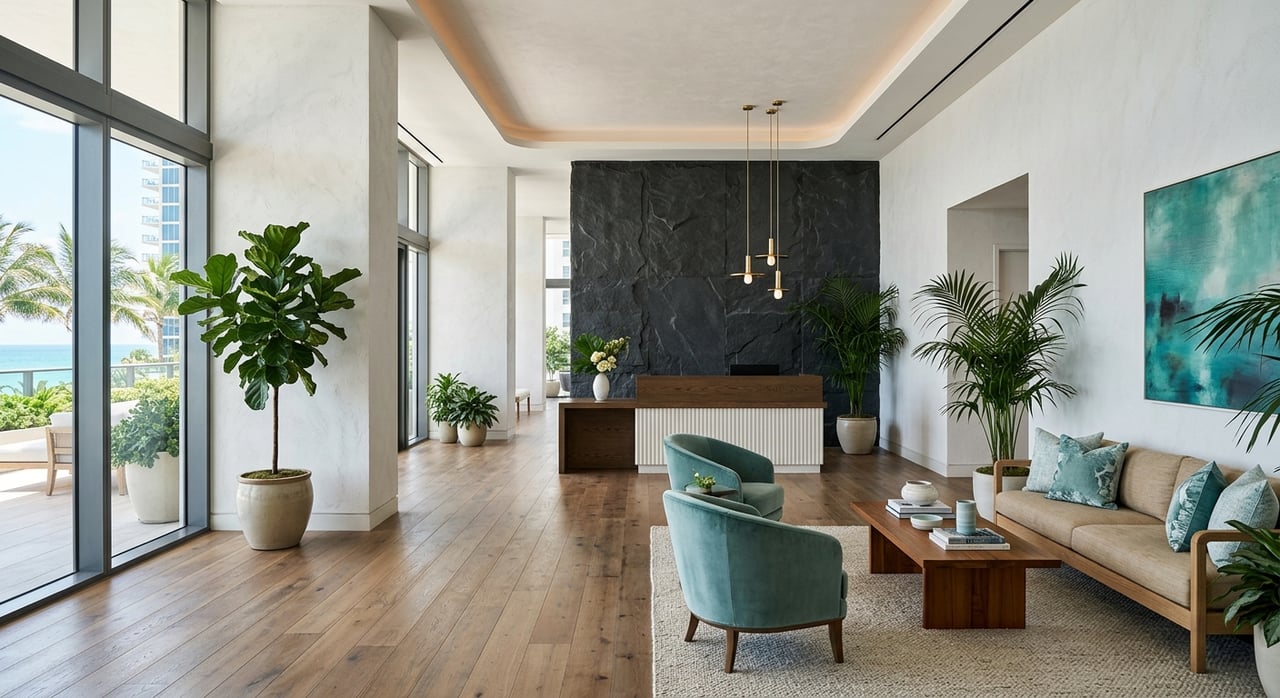
What to Know About Waikiki Second Home Condos
July 9, 2026
July 9, 2026
If you want a place on Oʻahu without the upkeep of a full-time house, a Waikiki condo can be an appealing fit. You may be looking for an easy lock-and-leave second home, a part-time island base, or a pied-à-terre that keeps you close to the beach, dining, and town. The key is knowing that in Waikiki, the right condo is about more than the view or the lobby. It is also about title, rules, fees, insurance, and future flexibility. Let’s dive in.
Waikiki sits in a useful middle ground within Honolulu’s condo market. As of May 2026, the median listing price in Waikiki was $488,000, with a median sold price of $476,000 and a median price per square foot of $900. That places Waikiki below higher-priced urban condo areas like Ala Moana-Kakaako and Ward Village, while still above nearby lower-priced areas like Ala Wai and McCully-Moiliili.
For many buyers, that balance is part of the appeal. You get an urban coastal condo market with broad inventory and a wide range of building styles, ages, amenities, and views. In May 2026, Waikiki had 804 active listings and a median 88 days on market, which suggests you may have more choices than in a very tight submarket.
That said, selection does not mean every condo works well as a second home. In Waikiki, building-by-building differences can have a major impact on how easy the property is to own, use, and hold over time.
In Hawaiʻi, buying a condominium means you own your unit plus a percentage interest in the common elements. Those common elements can include lobbies, corridors, elevators, parking areas, pools, gyms, roofs, and major building systems. That shared structure is part of what makes condo living convenient, but it also means your ownership experience is tied closely to the association.
The declaration, bylaws, and house rules matter more than many buyers expect. These documents control how units and common areas can be used, what fees apply, whether pets are allowed, and what day-to-day rules you need to follow. Quiet hours, guest parking, balcony use, pool access, and fines can all be governed there.
For a second-home or pied-à-terre purchase, this is especially important. You do not want to assume a building will function like a hotel or a fully flexible vacation base if the governing documents say otherwise.
One of the first Hawaii-specific questions to answer is whether the condo is fee simple or leasehold. Leasehold is a recognized form of ownership in Hawaiʻi, and it can affect valuation, title review, and your long-term holding strategy.
If you are comparing several Waikiki condos, this point should be confirmed early rather than late. Two units may look similar on paper, but the ownership structure can create very different financial and practical outcomes. For a second-home buyer, clarity here helps you avoid wasting time on a property that does not fit your goals.
Before moving forward with a Waikiki condo, it is wise to review the core association and project documents carefully. These records help confirm how the building operates and whether it supports your intended use.
The Hawaiʻi Department of Commerce and Consumer Affairs notes that the most current declaration, bylaws, and map can be obtained through the Bureau of Conveyances. The state also maintains public information for Developer’s Public Reports and association registration.
For a lock-and-leave condo, monthly maintenance fees are a major part of the true cost of ownership. These fees fund common expenses and are owed whether you use the condo often or only a few times a year. They also generally rise over time.
That means your monthly cost is not just about the purchase price or mortgage. It is also about how much shared infrastructure the building has and how expensive that infrastructure is to run and maintain. A building with more amenities may feel convenient, but it often brings higher shared operating costs.
Hawaii law requires at least 30 days’ written notice before a maintenance-fee increase. Even with that notice protection, it is still important to understand whether the current fee level appears sustainable based on the building’s condition and financial planning.
Reserve planning is one of the biggest due-diligence items for any condo buyer, especially if you want low-maintenance ownership. Reserve funds are the money collected for major future repairs and replacements, such as roofs, elevators, and other common-area components.
If reserves are too low, the association may need to rely on special assessments, borrowing, or deferred maintenance. None of those outcomes is ideal if your goal is a simple second home with fewer surprises.
When reviewing a building, pay close attention to reserve strength and whether the association has needed recent special assessments. A condo can look attractive at first glance, but the financial health behind the scenes often tells the more important story.
Association insurance is another area where second-home buyers should be careful. According to the state, associations generally must maintain certain property, liability, fidelity-bonding, and directors-and-officers coverage. Owners also have the right to examine insurance policies.
For you, the practical issue is whether the building’s insurance position supports a stable ownership experience. In a coastal environment with major shared systems, insurance quality and scope matter. If you are buying for convenience, you want confidence that the association is taking this responsibility seriously.
Amenities often help make Waikiki attractive as a pied-à-terre. Pools, gyms, secured lobbies, elevators, parking, and common gathering areas can make part-time ownership easier and more comfortable.
Still, more amenities usually mean more rules, more shared costs, and more dependence on association management. A polished amenity package can be a real benefit, but it should be weighed alongside maintenance fees, reserve funding, and the building’s overall condition.
In other words, it is smart to ask not only, “What does this building offer?” but also, “What does it take to maintain it well?”
Not all condo rules affect second-home buyers equally. If you will be using the property part time, a few categories deserve extra attention because they can shape day-to-day convenience.
These details may sound small at first, but they can have a real impact on how comfortable and practical the condo feels over time.
A second home in Honolulu generally does not qualify for the home exemption. The city’s home exemption requires ownership and occupancy as your principal home, and the claim must be filed on or before September 30 preceding the tax year.
For tax year July 1, 2025 through June 30, 2026, Honolulu’s non-owner-occupied residential tax rates were $5.87, $8.60, and $17.00 per $1,000 of assessed value, depending on the tier. If you are budgeting for a Waikiki second home, those non-owner-occupied rates are an important part of the carrying-cost picture.
Some buyers like the idea of future rental income, even if that is not the main reason for buying. In Waikiki, that makes rental rules and tax treatment a critical part of due diligence.
Hawaiʻi treats rental activity as taxable business activity. Long-term rentals of 180 consecutive days or more are subject to Hawaiʻi income tax and general excise tax. Short-term rentals of less than 180 consecutive days are subject to income tax, general excise tax, and transient accommodations tax.
The state also notes that using a third-party property manager does not remove the owner’s tax obligations. That is an important point if you are thinking about a hands-off rental plan later.
On the local side, Honolulu says it is unlawful to advertise a dwelling for a rental period of less than 30 days unless the dwelling is registered or designated as a hotel. Short-term rentals are only permitted in eligible areas, which means zoning and building documents need to be checked closely.
For many buyers, this becomes a simple rule of thumb: if future rental flexibility matters, confirm the declaration, bylaws, and zoning before you fall in love with the unit.
Waikiki is not the cheapest condo option on Oʻahu, and it is not the most expensive either. Its median listing price sits below Ala Moana-Kakaako at $839,000 and Ward Village at $1,362,500, while standing above McCully-Moiliili at $400,000 and Ala Wai at $385,000.
That middle-ground position is one reason Waikiki continues to attract a broad range of buyers. It offers an established condo market with meaningful selection and a price point that can be more accessible than some of Honolulu’s newer luxury towers.
Still, the smartest purchases are usually not decided by median price alone. In Waikiki, association quality, ownership structure, insurance, reserves, and use restrictions often matter just as much as the number on the listing.
If you are buying a Waikiki condo as a second home or pied-à-terre, it helps to approach the search with clear filters. Start with your intended use, then narrow down buildings that support that use on paper as well as in lifestyle.
This kind of diligence may not be the glamorous part of condo shopping, but it is often what protects your enjoyment and your investment.
A Waikiki condo can be a great fit if you want a low-maintenance Oʻahu base and you choose the building carefully. The best outcomes usually come from matching your lifestyle goals with the realities of the project, not just the photos or the view. If you want experienced, calm guidance as you compare Waikiki options, connect with Drew Read.
Stay up to date on the latest real estate trends.
Market Report
Single-Family Home Sales Slipped 6.6% While Condo Transactions Rose 10.9%, Driven by Strong Demand in the Under-$1M & $500K Price Points
Whether you are buying your dream island home, selling a property, or expanding your investment portfolio, Drew provides the integrity, expertise, and personal commitment to guide you through every step of your Hawaii real estate journey.